Habits shape a large portion of our daily lives. From the moment we wake up to the time we go to sleep, many of our actions are automatic. While good habits can help us stay healthy, productive, and focused, bad habits often hold us back from reaching our full potential. The good news is that habits are not permanent. With the right approach, you can replace negative habits with healthier, more productive ones.
Changing habits isn’t about relying on motivation alone—it’s about creating systems that make better behaviors easier and more natural over time. Below are ten practical steps that can help you replace old habits with better ones and build lasting change.
Identify the Habit You Want to Change
The first step is awareness. You cannot change a habit unless you clearly identify it. Take time to observe your daily routines and recognize patterns that may be working against you.
Ask yourself questions such as:
What habit is negatively affecting my life? When does this behavior usually happen? What triggers it?
For example, you might notice that you automatically check social media whenever you feel bored or stressed. Recognizing this pattern is the first step toward changing it.
Understand the Habit Loop
Most habits follow a simple cycle often called the habit loop:
Cue (Trigger) – Something that signals the start of the habit Routine (Behavior) – The action you perform Reward – The benefit or feeling you get afterward
Understanding this loop helps you replace the behavior while keeping the same trigger and reward. For example, if stress triggers unhealthy snacking, you might replace that behavior with a short walk or a glass of water instead.
Start With One Habit at a Time
One of the biggest mistakes people make is trying to change too many things at once. This often leads to overwhelm and failure.
Instead, focus on one habit at a time. Small improvements build momentum. Once one habit becomes automatic, you can move on to the next.
Think of habit change as a long-term process rather than a quick transformation.
Replace, Don’t Just Remove
It’s much easier to replace a bad habit with a better one than to simply eliminate it.
For example:
Replace late-night scrolling with reading a book Replace sugary drinks with water or tea Replace procrastination with a short “5-minute start”
Your brain is used to performing the habit when a cue appears. Giving it a new behavior keeps the system intact while improving the outcome.
Use Habit Tracking
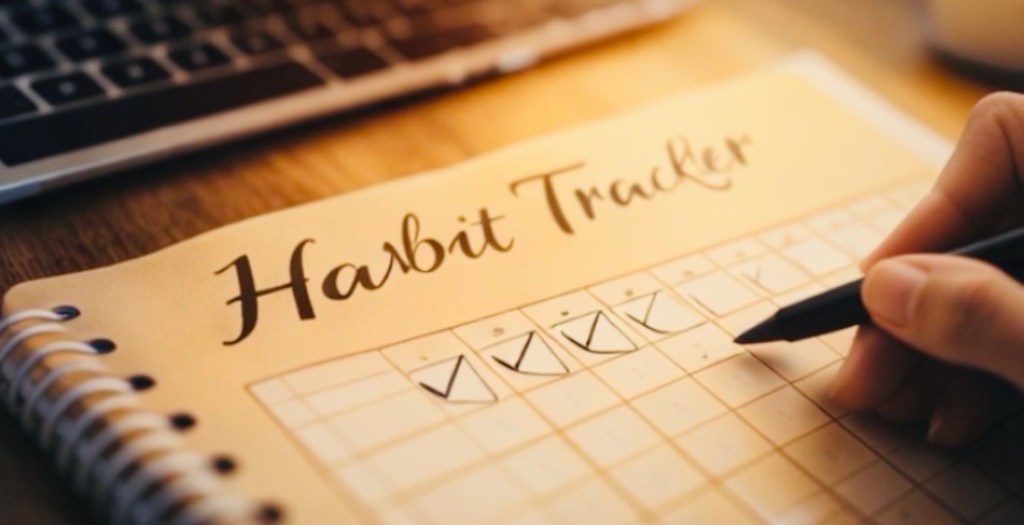
Habit tracking is one of the most effective ways to build new behaviors. It creates visual proof of your progress and motivates you to stay consistent.
You can track habits using:
• A notebook
• A calendar
• A habit-tracking app
Each day you successfully perform the new habit, mark it down. Over time, you build a streak that becomes psychologically rewarding to maintain.
Consistency matters more than perfection.
Make the New Habit Easy
Many people fail because they try to make huge changes immediately. Instead, start small and make the habit as easy as possible.
For example:
Do 5 minutes of exercise, not a full workout Read one page, not a whole chapter Meditate for 2 minutes, not 20
Small habits remove resistance and make it easier for your brain to accept the new behavior. Once the habit becomes routine, you can gradually increase the difficulty.
Change Your Environment
Your environment strongly influences your habits. Sometimes willpower isn’t the issue—your surroundings simply make bad habits easier.
Try adjusting your environment to support better choices:
Keep healthy snacks visible Put your phone in another room when working Place workout clothes where you can see them Remove junk food from your house
When good habits become the easiest option, they happen naturally.
Use Habit Stacking
Habit stacking means attaching a new habit to an existing one. Since the old habit is already automatic, it becomes a natural trigger for the new behavior.
The formula looks like this:
“After I [existing habit], I will [new habit].”
Examples:
After I brush my teeth, I will stretch for two minutes. After I make coffee, I will review my daily goals. After I finish dinner, I will take a 10-minute walk.
This technique helps new habits fit smoothly into your routine.
Reward Your Progress
Rewards reinforce habits. When your brain associates a positive feeling with a behavior, it becomes more likely to repeat it.
Rewards don’t need to be big. They can be simple things like:
Checking off a habit tracker Listening to music you enjoy Taking a short relaxing break Celebrating small milestones
The key is to create a sense of satisfaction after completing the habit.
Be Patient and Stay Consistent
Habit change takes time. Research suggests it can take weeks or even months for a behavior to become automatic.
You will miss days sometimes—that’s normal. What matters most is not quitting. When you slip up, simply start again the next day.
Focus on progress, not perfection. Over time, the new habit will become part of your identity.
Instead of thinking, “I’m trying to exercise,” you begin to think, “I’m someone who exercises.”
Final Thoughts
Replacing bad habits with better ones is not about sudden transformation—it’s about small, consistent improvements. By understanding how habits work and using practical strategies like habit tracking, environment design, and habit stacking, you can gradually reshape your daily routines.
Remember that every positive habit you build is an investment in your future self. Small actions repeated every day can lead to powerful long-term change.
Start with one habit today. Keep it simple, stay consistent, and watch how small steps turn into meaningful transformation.
 Alessandra ‘s Journal
Leave a comment