Education plays a fundamental role in society, on both an individual and collective level. It is one of the most powerful tools for personal and societal growth. It shapes how individuals think, communicate, and understand the world around them. Beyond academic knowledge, education builds critical skills such as problem-solving, creativity, and resilience, which are essential in everyday life. It opens doors to opportunities, reduces inequality, and empowers people to make informed decisions. In a rapidly changing global society, education also promotes adaptability and lifelong learning. Ultimately, investing in education is not just about gaining qualifications, but about creating a more informed, innovative, and responsible generation.
Stimulates Personal Development
First of all, it enables the personal development of individuals. Thanks to education, each individual acquires knowledge, skills and a critical mind that enables them to better understand the complex world they are living in to take enlightened decisions and to adapt themselves when rapid changes, wether technological, economic or social, occur.
Drives Social And Economic Progress
Secondly, education is a driver of social and economic progress. An educated population is generally more productive, more innovative and better prepared for the labour market. This contributes to economic growth, poverty reduction and improved living conditions.
Social Cohesion and Civility
It also plays a key role in social cohesion. Schools transmit values such as respect, tolerance, solidarity and citizenship. They promote social harmony, understanding between cultures and democratic participation.
A Fundamental Right And Social Transformation
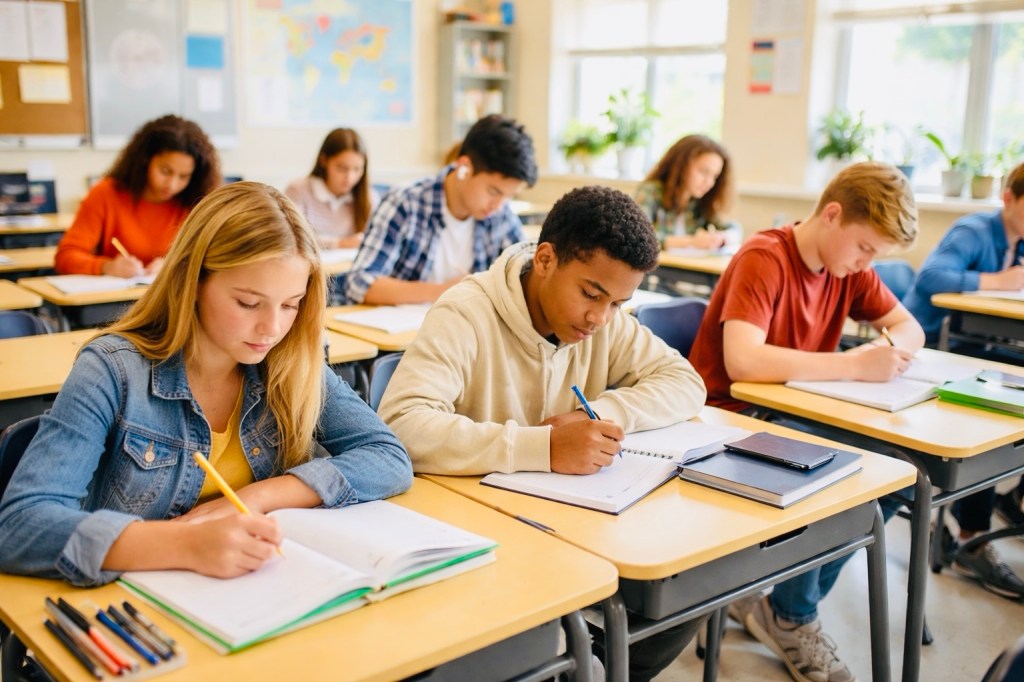
UNESCO affirms that education is a fundamental human right and that it positively transforms the lives of individuals, communities and entire societies. It is considered essential for achieving the Sustainable Development Goals (SDG 4) and for ensuring access to equal opportunities for all.
Economic Impact And Reduce Of Poverty
According to the World Bank, education is one of the best ways to reduce poverty. It promotes employment, higher incomes and long-term economic growth. Each additional year of schooling is associated with higher average wages and increased productivity.
A report by Education 2030 shows that education generates productivity gains, contributes to economic growth and helps reduce inequality.
Equality And Social Inclusion
Education is also cited as a lever for gender equality and for enabling women and girls to participate fully in social and economic life. In some contexts, increased school enrolment among girls is linked to reduced infant mortality and greater autonomy.
Civic education helps to promote social harmony and democratic participation, thereby strengthening social cohesion.
Sustainable Development And Skills
Programs such as Education for Sustainable Development show that education enables people to acquire the skills they need to adopt responsible behaviour towards the environment, the economy and society.
Investing In Education Pays Off
Economic analyses show that investments in education can yield significant economic returns, both for individuals (higher incomes) and for societies (innovation, growth).
Education And Health
A higher level of education is associated with longer life expectancy and better preventive health behaviours.
Conclusion
In summary, education is essential because it shapes individuals who are free, responsible and capable of contributing positively to the development of society.
The studies agree on one central point: education isn’t only an academic learning tool, but a structural lever for economic development, social mobility, political stability and public health.
All these international organisations agree that education is not only important — it is a pillar of human, economic, social and cultural development in modern society. This goes far beyond mere opinion: these positions are based on data, studies and global public policy.
Finally, education is a tool for combating inequality. By offering everyone access to knowledge, it provides more equal opportunities for success, even if, in practice, these inequalities have not yet been completely eliminated.
 Alessandra ‘s Journal
Leave a comment